How Many Radio Stations Have Banned Baby It's Cold Outside
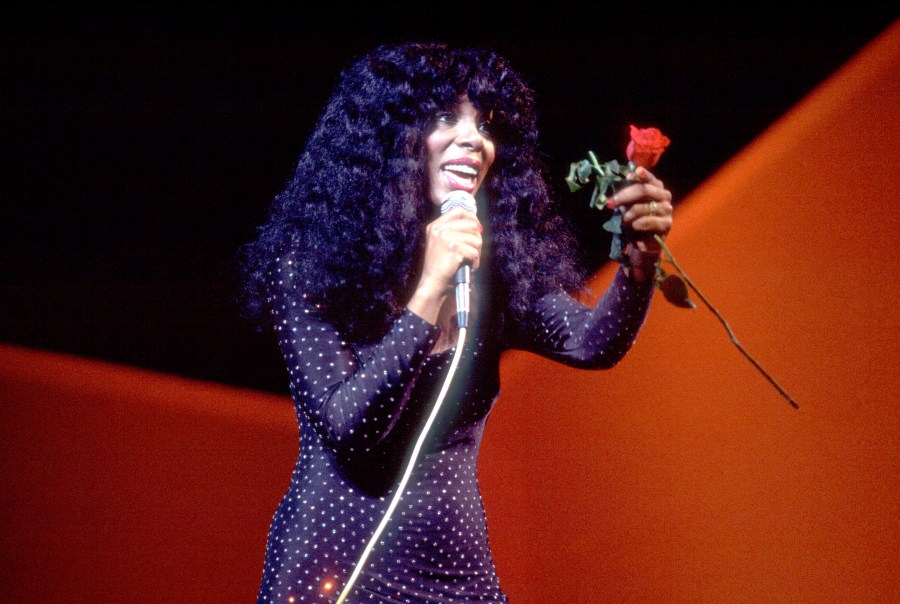
Musicians often perform just for the thrill of it, but many take also used their fame to push various social, legal and political boundaries with their lyrics. This is true beyond all genres of music, but rock 'northward' roll musicians throughout history have certainly made the nigh waves. In its heyday, rock music's excessive use of sexual innuendo and political messages sometimes led to bans— and even riots.
Are you ready to larn which of your favorite songs were really banned from radio considering of lyrics that were graphic, obscene or merely downright controversial? Beyond genres, some of these chart toppers and timeless classics are sure to surprise you!
I Saw Mommy Kissing Santa Claus – Jimmy Boyd (1952)
Who would initiate a ban on a sweet, freckle-faced 13-year-old'due south record hit? The Catholic Archdiocese of Boston, that's who. When teen Jimmy Boyd recorded "I Saw Mommy Kissing Santa Claus" in 1952, it was supposed to be about a boy waking up to run into his mother kissing his father in a Santa costume.
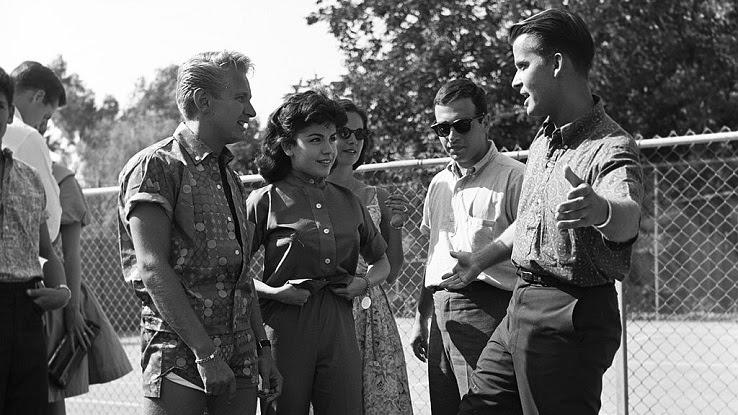
Notwithstanding, the Catholics angrily criticized the song every bit blasphemous, saying that it suggested a connection betwixt Christmas and sex. They only called for an end to the local boycott after poor Jimmy Boyd met with the church leaders to explicate himself. Talk about being a Grinch!
Even though the 1939 song "Strange Fruit" eventually became Billie Holiday's bestselling unmarried of her career, Columbia Records wouldn't let her to tape it in the 1930s. Eventually, a dissimilar label recorded and released the vocal for her, only many radio stations withal refused to play it.
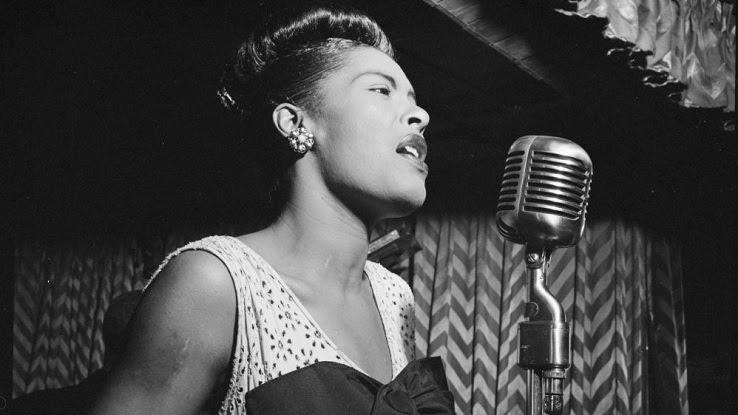
The reason that "Strange Fruit" had some radio station executives upwards in arms was because the vocal was based on an anti-lynching poem most African American men in the South at the time. In spite of this, it was inducted into the Grammy Hall of Fame in 1978.
Wake Upwards Little Susie – Everly Brothers (1957)
The Everly Brothers' 1957 #i hit entitled "Wake Up Fiddling Susie" was banned in Boston because information technology had parents wondering just what their children were doing later they causeless they were asleep. This is still another example of 1950s puritanical thinking, which often stifled the creativity of the musicians of that era.
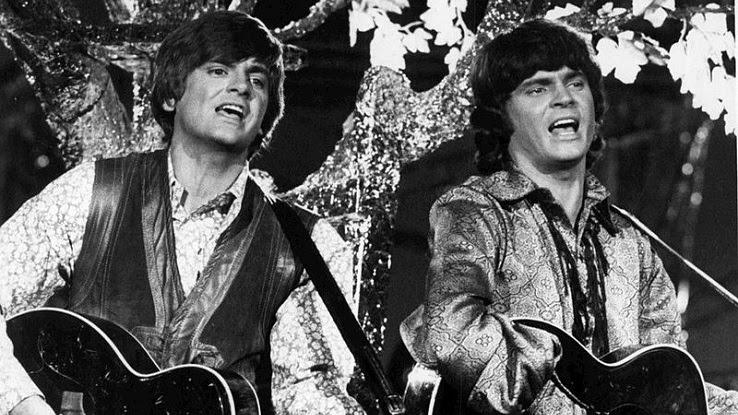
Times certainly do change, however, and we'll show yous how. Nigh a total half-century afterward, born-once again Christian and so-presidential candidate George W. Bush-league declared that "Wake Upwards Niggling Susie" merely so happened to exist his favorite vocal. The irony!
Louie Louie – The Kingsmen (1963)
Peradventure the most famous banned track in American history, "Louie Louie" was originally a 1955 song by Richard Berry. However, in 1963, The Kingsmen remade the song with some obscure and seemingly incomprehensible lyrics that Ultimate Classic Rock (a nationally syndicated stone radio show) accounted explicit. This led to a ban from many stations.
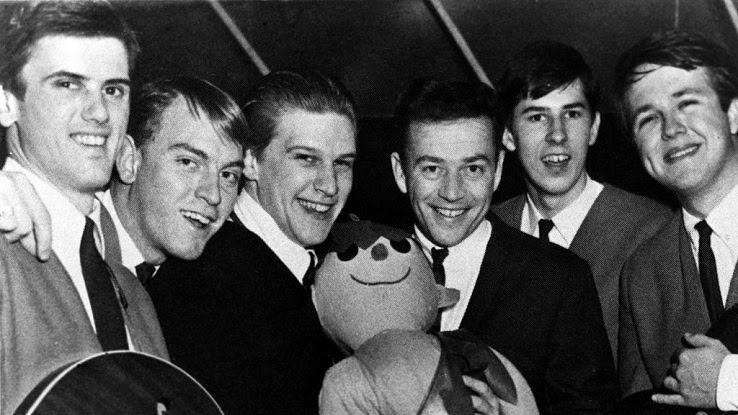
When an individual complained to the acting Chaser General, Robert F. Kennedy, an FBI investigation was launched to figure out what exactly the song lyrics said. Later on the investigation was concluded, the FBI determined that "it was not possible to determine whether this recording is obscene."
Gloria – Van Morrison (1964)
In 1964, Van Morrison was the lead singer of the band Them. He wrote a song called "Gloria" that offended some Chicago radio stations, leading to a ban. Despite that, the song eventually made it to the Grammy Hall of Fame.
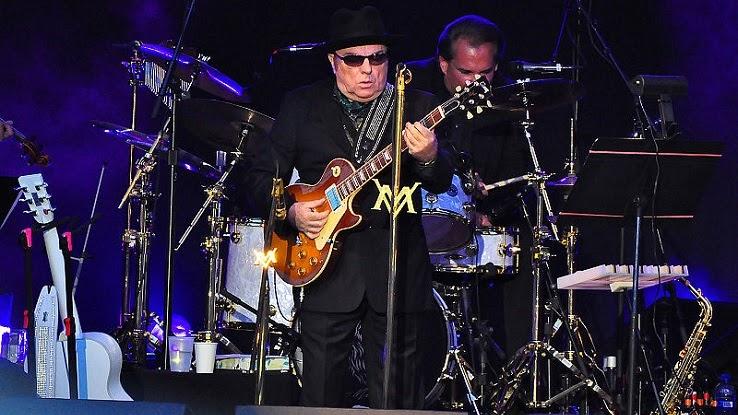
The song featured lyrics such as "She comes effectually here merely almost midnight. She makes me feel and then skilful. Lord, I wanna say she makes me feel all right." After the ban, a band called the Shadows of Knight remade the song and altered some lyrics, turning it into a Top x archetype.
My Generation – The Who (1965)
In another baroque vocal ban instituted by the BBC, The Who'due south song "My Generation" was removed from radio airplay because the BBC felt the line "Why don't you all f-f-f-fade away" might be offensive to those with a stutter. And this was many years earlier absolutely everyone was offended by admittedly everything.
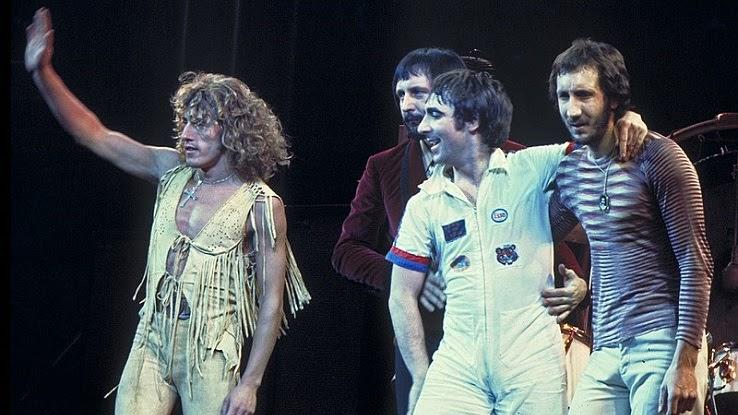
Equally a result, no one really believed this line of reasoning, and most people thought the proffer of a much more offensive f-word was the real reason for the ban. Plain, fifty-fifty the proffer of an obscenity was plenty for them. Still, the song was wildly popular, which prompted the BBC to eventually contrary their decision.
Eve of Destruction – Barry McGuire (1965)
I of the almost seemingly innocent songs on this listing, "Eve of Destruction" was sung by Barry McGuire and written past P.F. Sloan). It was banned past several U.S. radio stations subsequently the powers that be decided they didn't like McGuire's opinions and thought his band was anti-state of war.
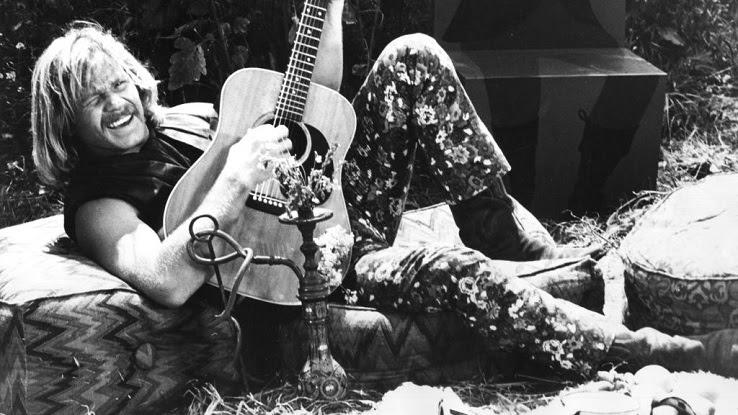
Some of the lines that offended were "human respect is disintegratin', this whole crazy world is only likewise frustratin'," and "…you're old plenty to impale but not for votin'." This didn't stop the song from condign a No. 1 Billboard hit in 1965.
Leader of the Pack – Shangri-Las (1965)
In another foreign example of why a song was banned, the No. one hit by the Shangri-Las chosen "Leader of the Pack" had some broadcasters refusing to play the tragic vocal. Total of teen angst, this song tells the story of a breakdown that led to the expiry of the vocalist's boyfriend.
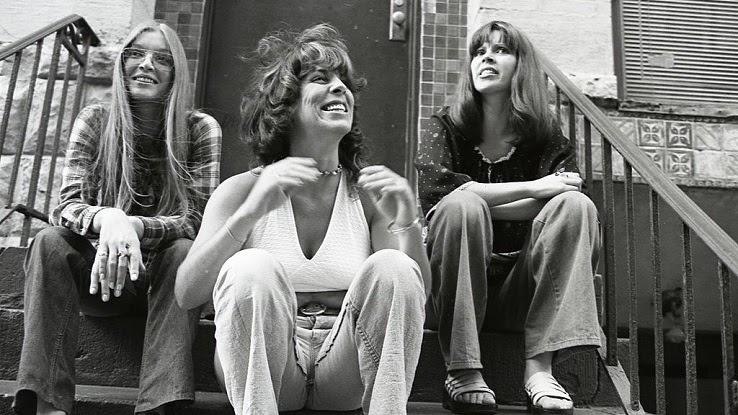
"Leader of the Pack" included the repeated phrase "Wait out!" in the lyrics along with the rumbling of a Harley engine, implying that an accident was nigh to happen. Several radio stations idea the song glorified motorcycle gangs and refused to play it.
God Only Knows – Embankment Boys (1966)
In some other religion-based banning, many radio stations banned the Beach Boys' "God Only Knows." This occurred, even though according to the Beach Boys, they meant "God" as a "spiritual discussion" and not a cursing one.
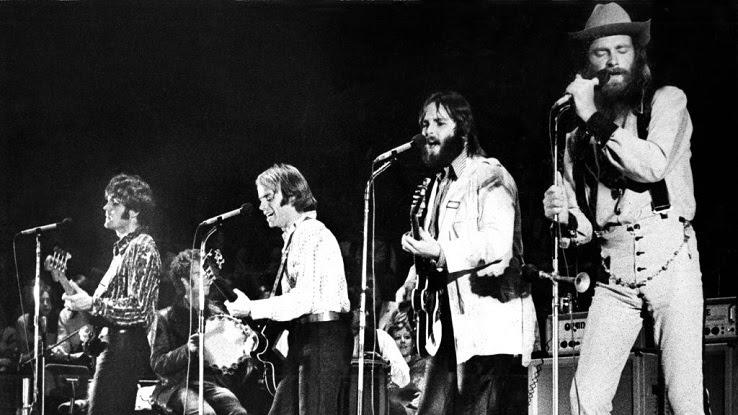
Brian Wilson went so far as to say that several musicians who witnessed the recording of the song called it i of "the virtually magical, beautiful experiences" they had ever had. He near changed the lyrics to the earnest, sincere ballad, simply he decided non to in the end in keeping with the truthful meaning of the song.
Lucy in the Sky with Diamonds – The Beatles (1967)
After John Lennon infamously declared that his ring, the Beatles, was "more pop than Jesus," many radio stations banned music from the ring for supposed references to drugs in their songs. "Lucy in the Sky with Diamonds" was one of the songs that prompted speculation that the title was an acronym for the drug LSD.
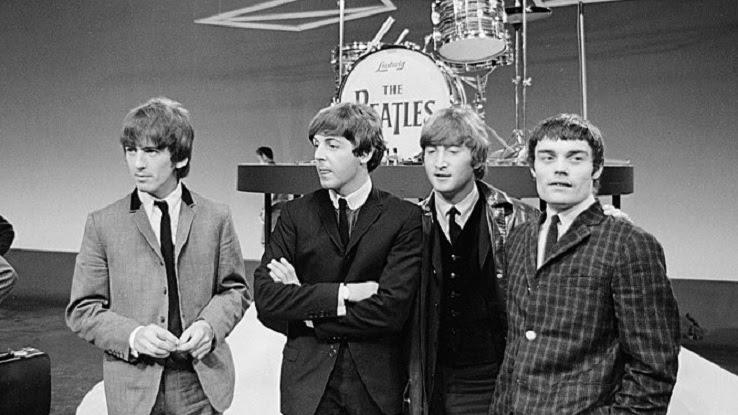
Although LSD was a popular hallucinogenic drug at the time the song was released, John Lennon vehemently denied that the song had anything to do with the drug. Co-ordinate to Lennon, the song was inspired by a drawing that a fellow educatee made of his son Julian.
Allow'south Spend the Night Together – The Rolling Stones (1967)
The Rolling Stones' 1967 song "Let's Spend the Night Together" made some people furious with its lyrics that seemed to encourage people to be promiscuous. The BBC promptly banned it. The Stones went on to irritate Ed Sullivan when they were on his show past not following some pre-set up rules.
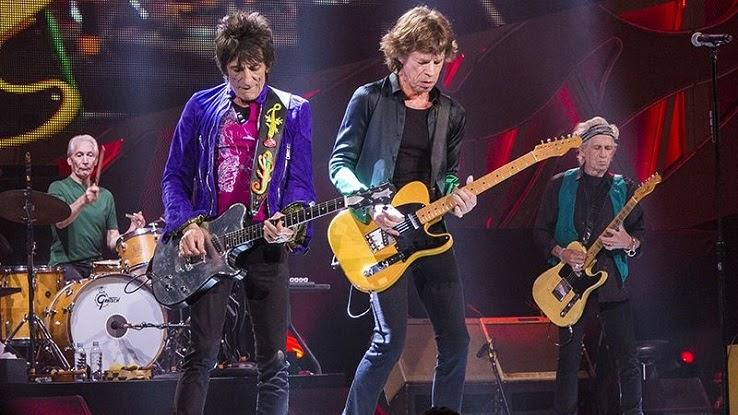
Sullivan had requested that the band change the lyric to "let'due south spend some time together," but Mick Jagger mumbled the real line while rolling his eyes. Even worse, when the band returned to the stage, they were dressed in Nazi uniforms adorned with swastikas. This got them kicked off the show altogether.
A Day in the Life – The Beatles (1967)
Along with "Lucy in the Sky with Diamonds" from the Sgt. Pepper'southward Solitary Hearts Society Band album, the track entitled "A Day in the Life" was too banned by the BBC. The reason seemed a bit ridiculous, in truth.
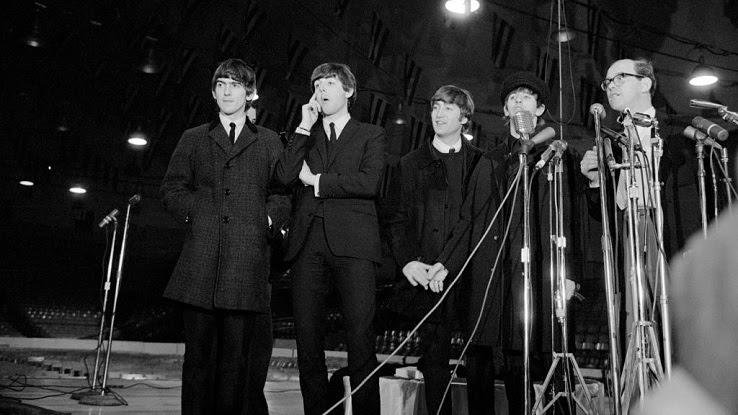
All the same, the BBC stood its basis after deciding that the lines "I'd love to turn you on" and "establish my way upstairs and had a smoke" were both references to drugs. Every bit with the previously mentioned banned vocal on the same album, both John Lennon and Paul McCartney adamantly denied these allegations.
Brownish-Eyed Daughter – Van Morrison (1967)
In an effort to non go his song "Dark-brown-Eyed Daughter" banned, Van Morrison changed the title from its original name, which was " Brown-Skinned Girl." He assumed that this wouldn't go over well, because that in 1967, interracial spousal relationship was still against the law in 17 states. He was probably right.
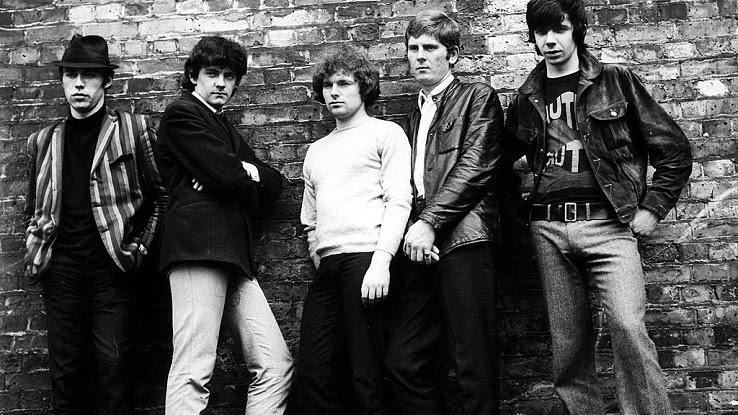
However, several radio stations banned the song anyway for the line "making honey in the green grass." This might seem innocuous now, only it was considered fairly racy in the 1960s. The song was Morrison'due south showtime release equally a solo artist, and it coincided with the hippie-inspired "Summer of Beloved."
Beloved Me Two Times – The Doors (1967)
In 1967, The Doors acquired quite a large stir when they put out their album titled Strange Days. It included the song "Love Me Two Times." Several radio stations banned the song immediately, merely i went a little overboard.
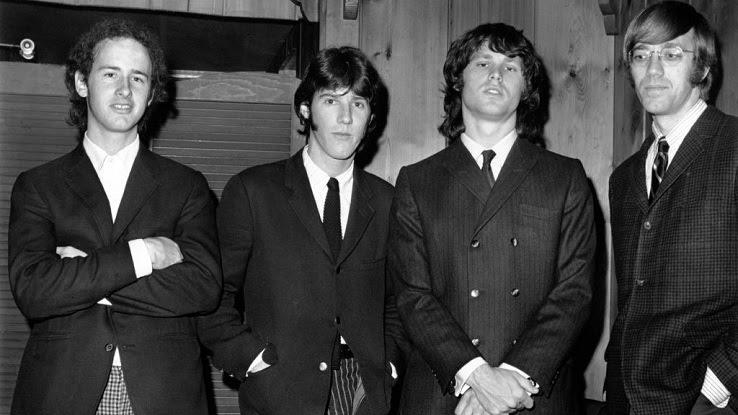
When Jim Morrison started to sing "Dear Me Two Times" at a radio station in New Oasis, Connecticut, the station's higher-ups actually called the police force on him! This made Morrison the offset stone star in history to be arrested during a performance. He was charged with incitement to riot and obscenity.
Kick Out the Jams – MC5 (1969)
MC5's debut anthology was banned due to the use of the f-word in the outset line of the title rails. According to Ultimate Classic Rock, the album was pulled from store shelves and was simply returned when the audio or the printed word on the inside cover was censored, or both.
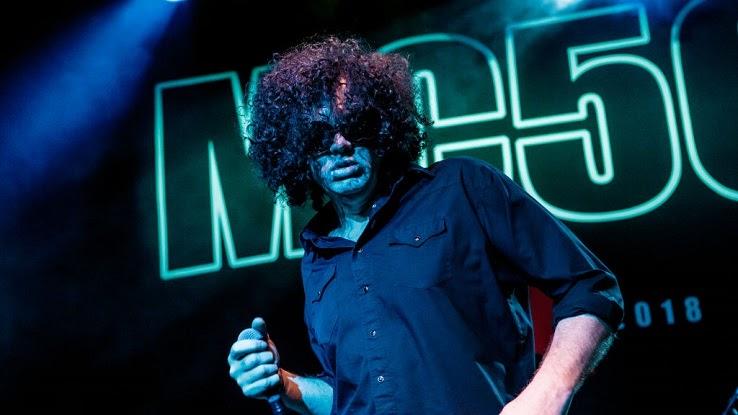
Fifty-fifty after the censorship, i section concatenation chosen Hudson's still refused to carry the album. In response, MC5 took out full-page ads in the local papers screaming, "[expletive] Hudson's!" This, in plow, resulted in the band'southward tape label, Elektra, dropping the group.
Je T'aime … Moi Non Plus – Jane Birkin and Serge Gainsbourg (1969)
When Jane Birkin and Serge Gainsbourg released the song "Je T'aime … Moi Non Plus" in 1969, a lot of people idea the European couple had actually released a single consisting of a recording of the two of them having sex. In response, Gainsbourg replied, "Information technology would accept been a long-playing record."
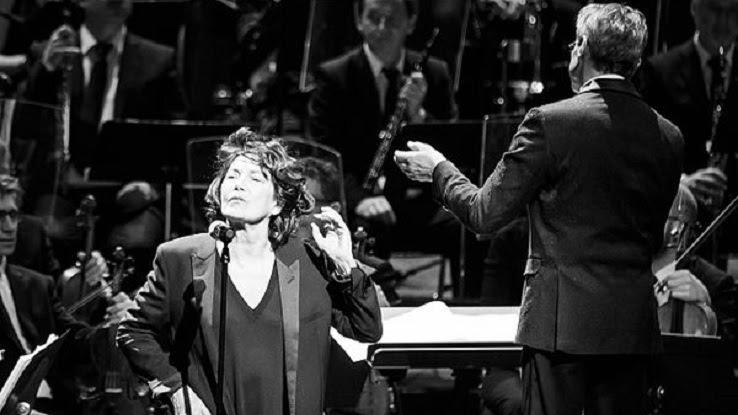
According to Gainsbourg, the vocal was really written for Brigitte Bardot and not Jane Birkin at all, although he ended up singing it with Birkin. Despite existence banned and being denounced by the Vatican, the record sold more than 4 million copies.
Lola – The Kinks (1970)
If yous're ready to go nit-picky, "Lola" past The Kinks was banned past the BBC after its release in 1970 for a pretty baroque reason. Notably, the song was written about a honey thing betwixt a transgender adult female and a cis man, which seems like the reason it would have been banned dorsum in 1970 — merely that wasn't the reason at all.
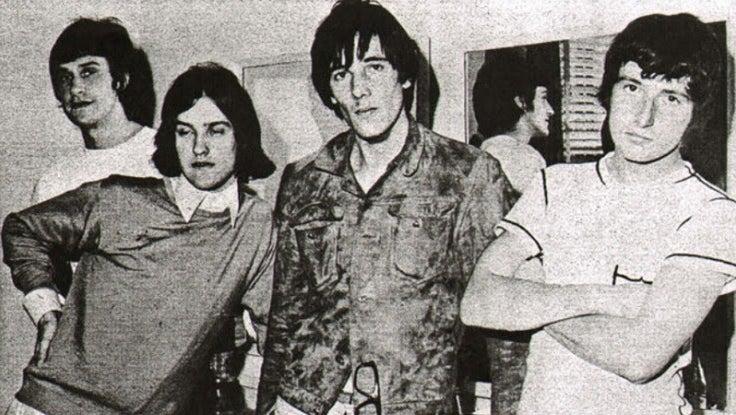
Instead, the song wasn't targeted for being controversial, but it dared to include the line "where yous drink champagne, and it tastes like Coca-Cola." Vocalizer/songwriter Ray Davies promptly responded to the ban past recording a version in which "Coca-Cola" was changed to "reddish cola," and the song was promptly put dorsum on the air.
Timothy – The Buoys (1971)
This song is a trivial bit different in that the writer, Rupert Holmes, actually wrote it in 1970 with the intention of getting it banned. He discovered a completely unknown group, The Buoys, who then recorded the song about some coal miners who get trapped underground and resort to cannibalism to stay alive.
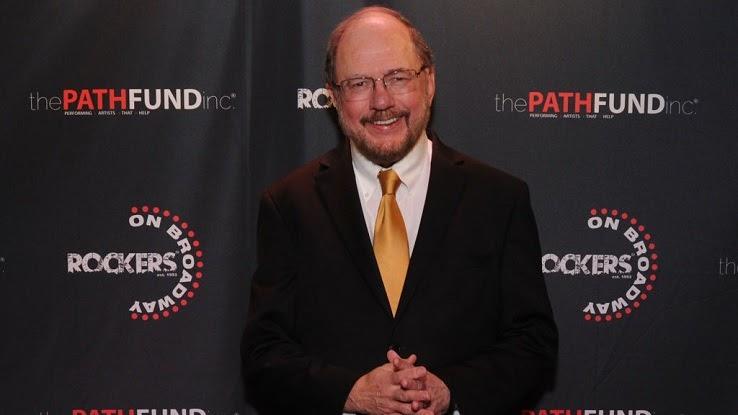
Holmes' wish came true, and his wholly disturbing cannibalistic song made it to the Superlative 20, making The Buoys an instant 1-hit-wonder. Rupert Holmes is best known for his 1979 song called "Escape (The Pina Colada Vocal)."
Star Star – The Rolling Stones (1973)
This controversial song initially came out in 1973. In a movement that the Stones idea would be funny but instead sparked a mount of outrage — at least for some — the song included the lyrics "Yeah, Ali MacGraw got mad with y'all for givin' head to Steve McQueen" and repeated the phrase "star [expletive]" in the chorus.
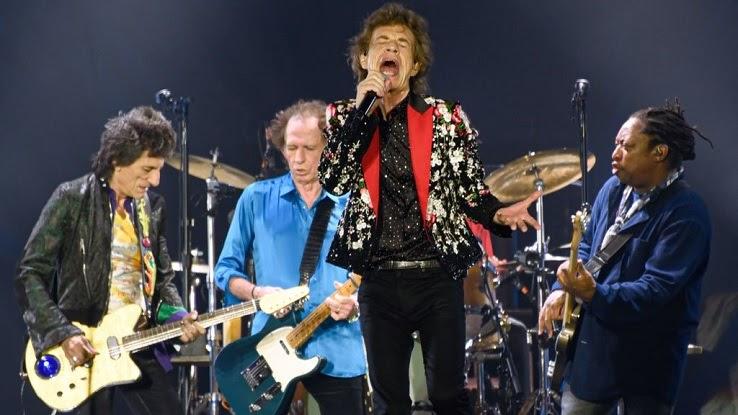
The Rolling Stones got straight to the signal with this song, and it was promptly banned. Nosotros aren't sure how Ali MacGraw took the lyrics, but Steve McQueen was reportedly amused and gave the Stones permission to use his proper noun.
Kodachrome – Paul Simon (1973)
Paul Simon irked the BBC on a couple of different levels with his 1973 song entitled "Kodachrome." First of all, the song violated the BBC's dominion against the endorsement of any specific product, and so the song was widely banned in the U.K. right out of the gate.
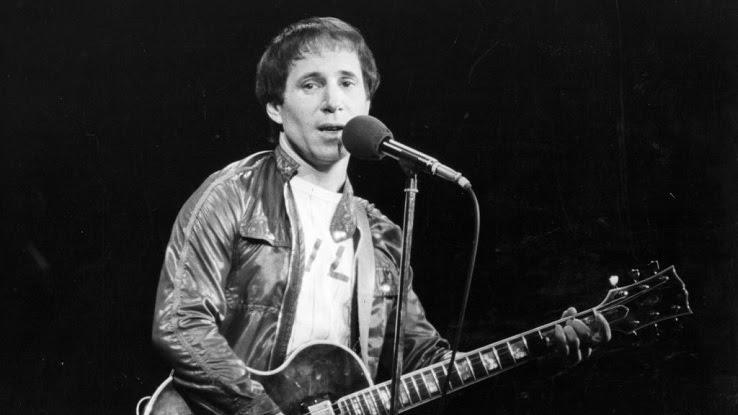
2d, in the opening lines of the song, Simon says, "When I call up dorsum on all the crap I learned in high school, it's a wonder I can recall at all." Some U.Southward. broadcasters also refused to play the song because of Simon'southward employ of the word "crap."
The Pill – Loretta Lynn (1975)
Country music might non seem a likely forum to vox feminist opinions, just dorsum in 1975, it certainly was. In one of the first songs to ever mention birth command, Loretta Lynn's "The Pill" reflected on how unlike her life would be if she had the opportunity to not be a baby-making motorcar.
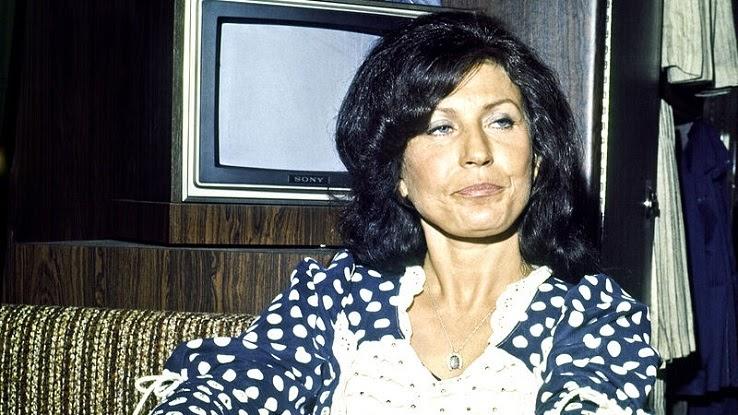
In 1975, merely 2 years afterward the landmark Roe vs. Wade court decision, birth control was still a very controversial subject area. Lynn was a teenage bride and had six children when she wrote the song. Unfortunately, the ban kept "The Pill" from being as popular as information technology should have been.
Love to Dear You Babe – Donna Summer (1975)
This ane was a no-brainer for banning, at to the lowest degree according to the BBC in 1975. "Love to Dear Yous Infant" past Donna Summer included a total of 22 simulated orgasms in the disco hit. Ms. Summer didn't seem to understand what the big bargain was and subsequently spoke about it to The Guardian.
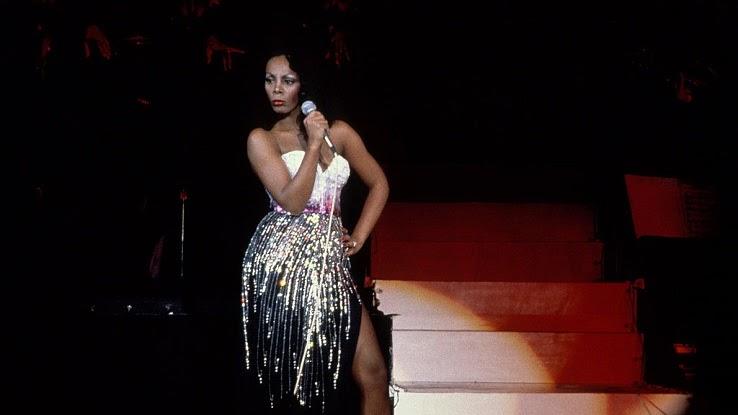
She said, "Everyone's asking, 'Were you lot alone in the studio?' 'Yes, I was solitary in the studio.'" Co-ordinate to Summer, they then asked, "Did you touch yourself?" to which she would reply, "Yes, well, really, I had my paw on my knee."
Tonight's the Night – Rod Stewart (1976)
Many listeners in the 1970s didn't consider Rod Stewart to be a insubordinate, but then he released "This night'south the Nighttime" in 1976. It included his then-girlfriend Britt Ekland whispering sugariness nothings in French at the end of the song, so it was banned. Some radio stations but edited out the catastrophe of the vocal instead.
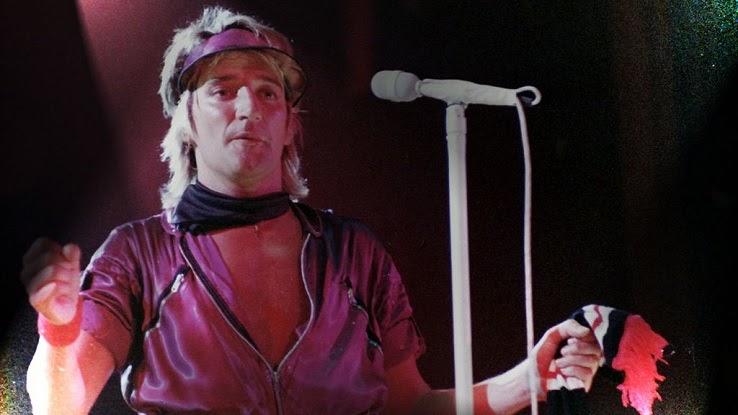
However, other stations took issue with some of the other lyrics of "Tonight'due south the Nighttime," which included at least i obvious reference to sex: "Spread your wings and let me come inside." They banned the song completely, fifty-fifty after the editing.
God Salvage the Queen – Sex Pistols (1977)
In May 1977, the English language monarchy was set up to celebrate the Queen's Silver Jubilee, but the Sex Pistols had another idea in mind. They created the unmarried "God Save the Queen" to indicate out that while the Queen was jubilant her milestone, the working form in the U.M. was mired in poverty.
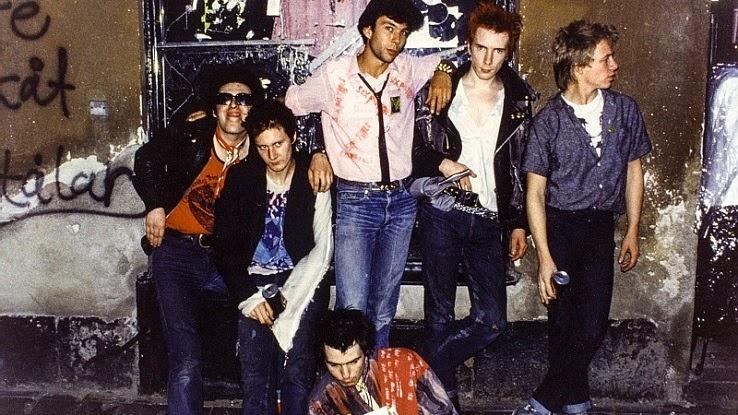
This vocal includes lyrics like "She ain't no human being," and it immediately became a number one hit. The BBC refused to play information technology, and Billboard wouldn't fifty-fifty put it on any of its charts. This fabricated information technology "the nigh heavily censored tape in British history," according to The Guardian.
Only the Good Die Young – Billy Joel (1977)
In this spirited 1977 hitting unmarried, Billy Joel sings, "Y'all Catholic girls kickoff much too late, just sooner or later it comes down to fate. I might as well be the ane." Needless to say, this immediately irritated Catholics the world over.
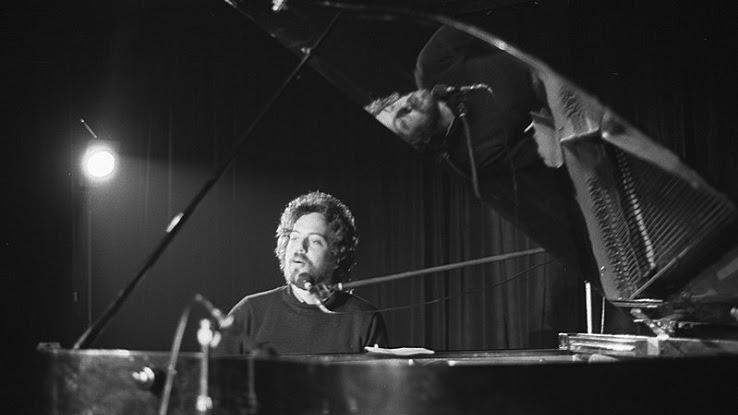
Predictably, it was a Catholic radio station that originally initiated the cold-shoulder of the music that ultimately led to the ban. This, notwithstanding, did non end the vocal from becoming a huge hit. Maybe information technology fifty-fifty contributed to the success. Joel later said that the girl mentioned in the song, Virginia, was a crush of his, and she remained a virgin.
Rocky Mount High – John Denver (1972)
In an farthermost example of playing it safe, many radio stations banned John Denver's testimonial to his domicile state of Colorado, titled "Rocky Mount High." The reason? Ii years before, the FCC demanded that broadcasters cease airing songs that "promote or glorify the use of illegal drugs."
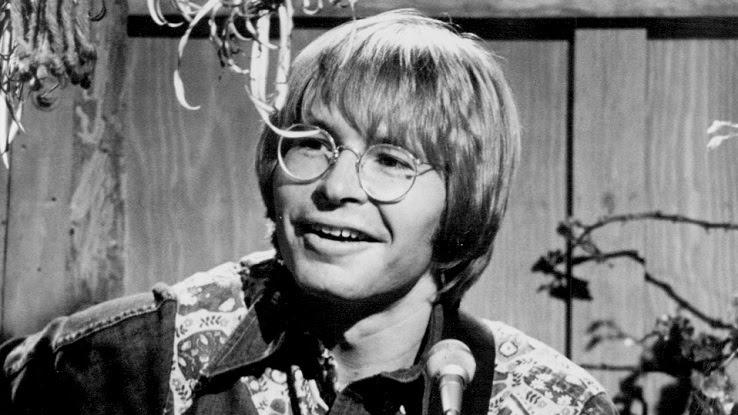
John Denver took effect with this and testified before Congress, proverb "This was evidently done by people who had never seen or been to the Rocky Mountains." Obviously, Denver was referring to the literal tiptop of the mountains (and not getting high on drugs) when he wrote the song.
Concrete- Olivia Newton-John (1981)
Olivia Newton-John'south 1981 hitting "Physical" was extremely pop in both the U.S. and the U.Grand., but that didn't stop some conservative radio stations from banning the song for its suggestive lyrics. According to Olivia, "There'due south zippo left to talk about unless information technology's horizontally."
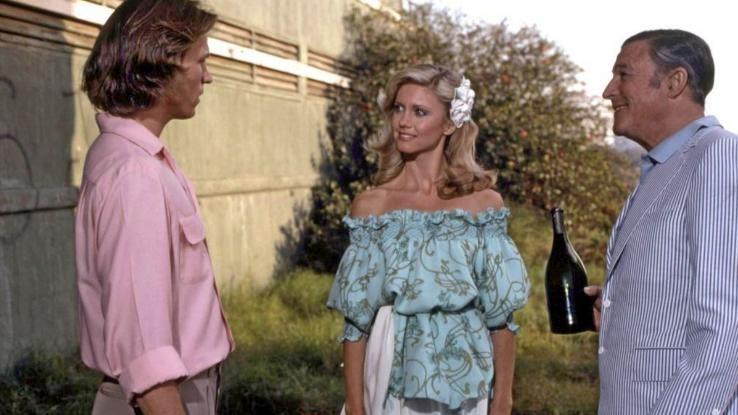
The lyrics weren't the only thing that made the song controversial, however. It was even censored by MTV for a scene in the music video where two men leave the gym together holding easily, implying that they were gay. Thankfully, the song remained popular despite its controversial messages and was fifty-fifty ranked at #6 on Billboard's All-Time Top 100 list.
Walk Like an Egyptian – The Bangles (1986)
Even though the song "Walk Like an Egyptian" came out in 1986, it still appeared on a listing of "lyrically questionable" songs put out to more than i,000 radio stations by Clear Aqueduct (a.1000.a. iHeartMedia) in 2001. This was but after the nine/11 tragedy.

Nobody was quite sure what their motive was, but the addition of The Bangles' benign, innocent song put out decades earlier tended to stand up out to the people privy to the list. Information technology eventually ended up beingness a part of the reason that the unabridged thing was discredited and ultimately ignored.
Dearest Is a Good Affair – Sheryl Crow (1996)
In 1996, Walmart refused to put Sheryl Crow's second album on its shelves, just it wasn't considering of inappropriate content. In the song "Beloved Is a Good Affair," the vocalizer criticized the chain-store behemothic for carrying the kinds of automatic guns that are unremarkably used in mass shootings.

All the same, Crow certainly had the last laugh. Today, the eponymous Sheryl Crow album is certified triple-Platinum. Information technology besides spent more than than a year on the Billboard charts, making it one of the summit albums of 1996-97. Walmart has since revised its gun policy and no longer sells the types of weapons that can kill or hurt many people in seconds.
Ding-Dong! The Witch Is Dead – Ella Fitzgerald (2013)
Who would have thought that a vocal like "Ding-Dong! The Witch Is Dead" from the movie The Wizard of Oz would go a #2 hit on the British charts? Well, that'southward exactly what happened in the spring of 2013 — even though the song was banned past the BBC. It was written by Yip Harburg and composed by Harold Arlen and originally released by Fitzgerald in 1961.
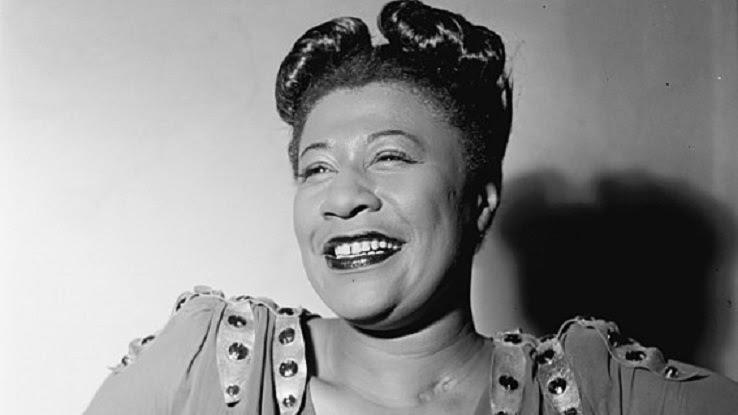
Why was this seemingly innocuous children's vocal banned, you enquire? Well, because of a deliberate campaign in 2013 — many years afterward — to boost the song to the height of the charts after the expiry of Prime Government minister Margaret Thatcher. The BBC deemed the song inappropriate because the song was "clearly a celebration of decease."
marshallcoure1949.blogspot.com
Source: https://www.ask.com/entertainment/classic-songs-banned-from-radio?utm_content=params%3Ao%3D740004%26ad%3DdirN%26qo%3DserpIndex

Enregistrer un commentaire for "How Many Radio Stations Have Banned Baby It's Cold Outside"